 Save
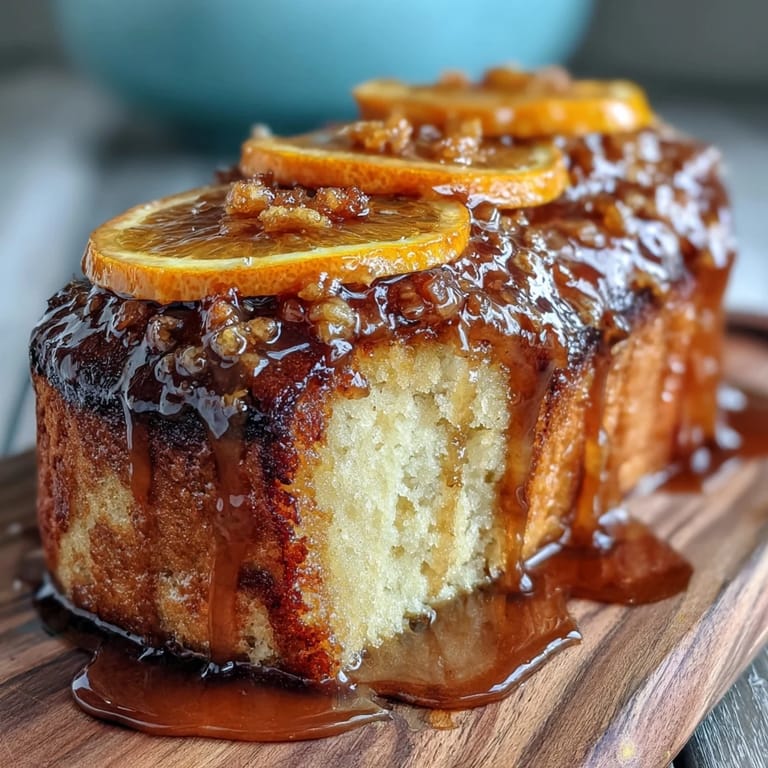
Save There's something magical about waking up to the smell of orange rolls baking—a citrus-perfumed kitchen before anyone else is awake. My neighbor brought these over one Sunday morning, still warm from her oven, and the aroma alone had my whole family gathered at the door within seconds. She whispered her secret: prep them the night before, let the fridge do the work, and you're basically just sliding them into the oven while your coffee brews. That conversation changed how I approach weekend mornings.
I made these for a brunch gathering last spring, and watching people's faces light up after that first bite was genuinely moving. One guest actually closed their eyes and said they tasted like a bakery, which made my slightly messy kitchen feel like a professional operation. The combination of tender crumb and bright citrus glaze seemed to transport everyone somewhere sunny, even though it was drizzly outside.
Ingredients
- All-purpose flour (3 1/2 cups): This is your foundation—measure by spooning into the cup and leveling off rather than scooping directly from the bag, which can pack too much flour and make the rolls dense.
- Granulated sugar (1/4 cup for dough): Feeds the yeast and adds subtle sweetness without making these candy-like, leaving room for the orange flavor to shine through.
- Instant dry yeast (2 1/4 tsp): Room temperature ingredients are crucial here, so let your milk, eggs, and butter sit out for about 30 minutes before mixing.
- Salt (1/2 tsp): A small amount that controls fermentation and brings out the orange notes rather than competing with them.
- Whole milk, lukewarm (3/4 cup): Lukewarm means around 110°F—test it on your wrist like you're checking a baby's bottle temperature.
- Unsalted butter, melted (1/4 cup): Melted butter incorporates smoothly into the dough and creates that tender crumb texture that makes these special.
- Large eggs, room temperature (2): Cold eggs won't blend properly into the dough and can cause lumps, so patience with bringing them to room temperature actually matters.
- Fresh orange zest (3 portions from 3 large oranges total): Use a microplane or fine grater to get just the colored part without the bitter white pith—this is where all the flavor magic lives.
- Unsalted butter, softened (1/4 cup for filling): Softened means you can spread it easily with the back of a spoon without tearing the dough underneath.
- Granulated sugar (1/2 cup for filling): Mixed with zest and butter to create the sweet-citrus spiral inside each roll.
- Powdered sugar (1 cup for glaze): Whisked with fresh orange juice to create a smooth, pourable glaze that sets beautifully once drizzled.
- Fresh orange juice (2-3 tbsp): Freshly squeezed makes a noticeable difference in brightness compared to bottled, so squeeze those oranges right before glazing.
Tired of Takeout? 🥡
Get 10 meals you can make faster than delivery arrives. Seriously.
One email. No spam. Unsubscribe anytime.
Instructions
- Mix your dry base:
- Whisk together flour, sugar, yeast, and salt in a large bowl—this distributes the yeast evenly so you get consistent rise throughout all 12 rolls.
- Combine your wet ingredients:
- In another bowl, whisk milk, melted butter, eggs, and orange zest until the zest is evenly distributed and the mixture looks slightly pale from the citrus oils.
- Bring it together:
- Pour the wet into the dry and mix with a wooden spoon or your hands until shaggy and sticky—it won't look pretty yet, and that's exactly right.
- Knead until smooth:
- Use a stand mixer with the dough hook for 7-8 minutes or knead by hand on an unfloured surface, pushing the dough away with the heel of your hand and folding it back. When it feels smooth and springs back slightly when you poke it, you're done.
- First rise:
- Place the dough in a greased bowl, cover with plastic wrap, and let it sit in a warm spot (like your oven with just the light on) for 1-2 hours until it doubles—you'll see it puff up and feel lighter when you touch the surface.
- Roll and fill:
- Punch down the dough gently to release air, then roll it out on a floured surface into a 10x16-inch rectangle. Spread softened butter over the entire surface, then sprinkle the sugar and orange zest evenly—this filling won't be thick, and that's the point, since too much gets squeezed out as the rolls rise.
- Roll tight:
- Starting from the longer edge, roll the dough toward you as tightly as you can without tearing it, then cut into 12 roughly equal pieces with a sharp knife or a length of dental floss pulled taut.
- Pan and chill:
- Arrange the rolls cut-side up in a greased 9x13-inch baking dish, cover tightly with plastic wrap, and refrigerate overnight—this is when the real magic happens as flavors develop and the dough slowly rises.
- Morning prep:
- Remove the rolls from the fridge and let them sit at room temperature for 45-60 minutes until they're puffy and springy to the touch, which signals they're ready to bake.
- Bake:
- Preheat your oven to 350°F while the rolls finish their rise. Bake for 22-25 minutes until the tops are golden brown and you can smell that orange-forward aroma filling your kitchen.
- Make your glaze:
- While the rolls bake, whisk powdered sugar with fresh orange juice and zest until completely smooth with no lumps—the texture should be pourable but not runny.
- Finish and serve:
- Drizzle the glaze over the warm rolls straight from the oven so it soaks into the tops and creates a beautiful sticky finish.
 Save
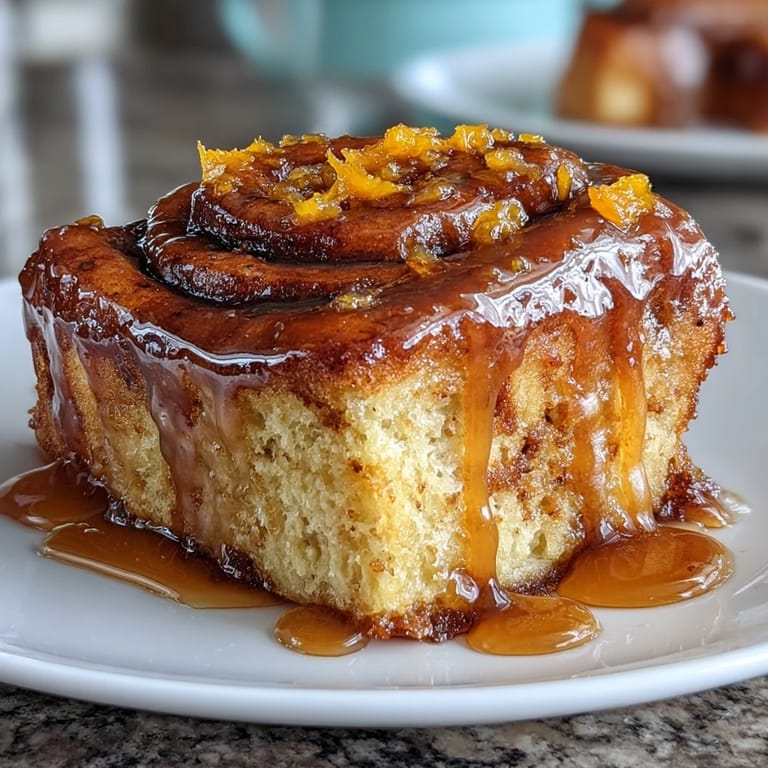
Save The first time I served these to my family, my teenager—who usually ignores anything homemade in favor of grabbing something quick—actually sat down and ate two rolls while reading the newspaper with me. In that quiet moment, I realized these rolls had become more than breakfast; they were permission for everyone to slow down and be present together.
The Orange Zest Secret
The zest is genuinely half the personality of these rolls, so treat it with respect. I learned this the hard way when I once tried to substitute bottled zest from a jar—the rolls tasted fine but flat, missing that punch of fresh citrus oil that makes people ask for seconds. Fresh zest from whole oranges releases essential oils as you grate, and those oils are what make your kitchen smell like a fancy bakery and taste like something special.
Why Overnight Actually Works
Refrigeration slows down yeast fermentation, which sounds counterintuitive until you realize that slower fermentation develops deeper flavor and creates a more interesting crumb structure. The cold also makes the rolls easier to handle in the morning since the dough firms up and doesn't stick to everything. Plus, that gradual rise overnight means you're not fighting against rapid expansion, so the rolls rise evenly and bake more uniformly.
Variations and Personal Touches
Once you master the basic recipe, these rolls become a canvas for your own creativity and mood. I've experimented with substituting half the milk for fresh orange juice to deepen the citrus profile, and I've also played with adding a tiny pinch of cardamom to the filling when I want something slightly spiced and warming. These experiments felt like cooking with a friend, trying different combinations to see what stuck.
- Try cardamom in the filling for a sophisticated spiced note that complements the orange beautifully.
- Substitute half the milk with fresh orange juice for even more intense citrus flavor and a slightly more tender crumb.
- Serve alongside Earl Grey tea or good coffee to let the orange notes really shine.
 Save
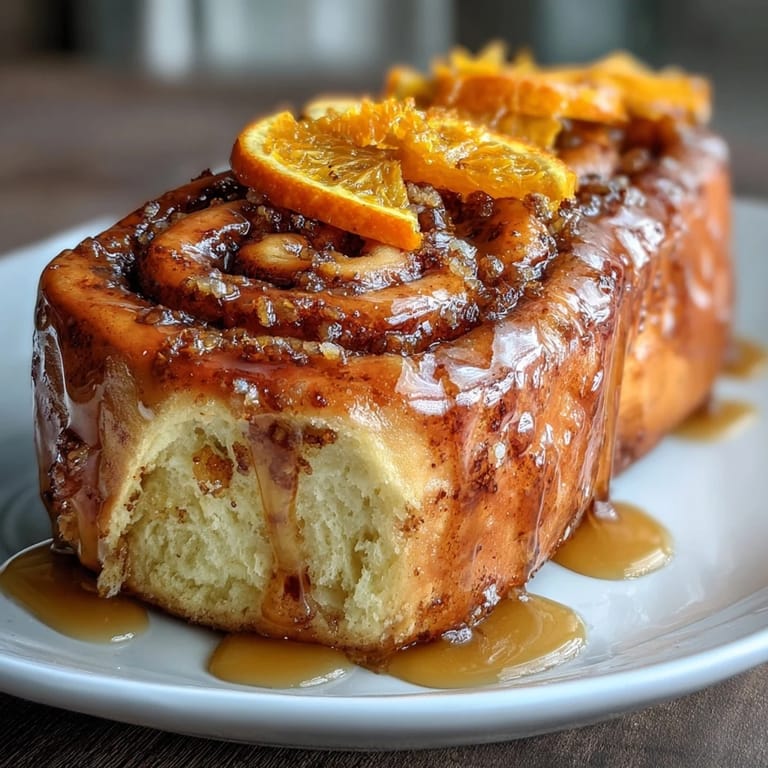
Save These rolls have become my go-to when I want to feel like a baker without spending all morning in the kitchen. There's something deeply satisfying about pulling a tray of golden, fragrant rolls from the oven and watching people's faces light up at breakfast.
Recipe FAQs
- → What makes these orange rolls fluffy?
The overnight rising process allows the dough to ferment slowly, creating a tender, airy texture.
- → Can I substitute milk with orange juice in the dough?
Yes, replacing half the milk with orange juice adds extra citrus flavor and richness to the rolls.
- → How is the orange flavor incorporated?
Fresh orange zest is mixed into both the dough and filling, and a glaze made with orange juice and zest finishes the rolls.
- → What is the best way to cut the rolls evenly?
Use a sharp knife or dental floss to slice the rolled dough into uniform pieces without squishing.
- → Can these rolls be prepared ahead of time?
Yes, after assembling, refrigerate the rolls overnight to allow slow proofing, then bake fresh the next day.
- → Do these rolls contain common allergens?
Yes, they include wheat (gluten), dairy from milk and butter, and eggs.