 Save
Save My kitchen timer went off during a work call last Tuesday, and I realized I had finally cracked the code on chicken breasts that don't taste like cardboard. For years, I overcooked them into oblivion, convinced that any hint of pink meant disaster. Then a friend who cooks for a living watched me butterfly one unevenly and said, just pound it flat and trust your thermometer. That advice changed everything.
I started making this every Sunday after my neighbor mentioned she spends sixty dollars a week on pre-cooked chicken from the grocery store. We did the math together over coffee, and she nearly dropped her mug. Now she texts me photos of her meal prep containers every weekend, and I get a weird amount of satisfaction knowing I saved someone that much money. It's funny how a simple baked chicken breast can feel like a small revolution.
Ingredients
- Boneless, skinless chicken breasts (6 to 8 oz each): Look for pieces that are similar in size so they cook at the same rate, and don't be afraid to trim off any weird fatty bits that cook differently.
- Olive oil: This helps the seasoning stick and keeps the surface from drying out in the oven, plus it adds a subtle richness that makes the chicken taste less lean.
- Garlic powder: I prefer powder over fresh garlic here because it distributes evenly and won't burn under high heat like minced cloves would.
- Onion powder: It adds a sweet, savory depth that fresh onion can't quite replicate when you're going for an all over crust.
- Paprika (smoked or sweet): Smoked gives it a campfire edge, sweet keeps it mellow, I've used both and never regretted either choice.
- Dried oregano or Italian seasoning: This is where the recipe starts to smell like something worth eating, the herbs wake up everything else.
- Salt and black pepper: Don't skimp on these, under seasoned chicken is the reason most people think they hate chicken breast.
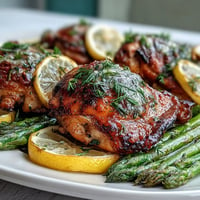
- Lemon slices and fresh parsley or cilantro: Totally optional, but they make the plate look like you tried, which sometimes matters.
- Simple Marinade ingredients: If you have an extra thirty minutes, the marinade adds a layer of flavor that makes people ask for the recipe.
Tired of Takeout? 🥡
Get 10 meals you can make faster than delivery arrives. Seriously.
One email. No spam. Unsubscribe anytime.
Instructions
- Preheat and Prep Your Pan:
- Set your oven to 400 degrees F and line a baking sheet with parchment paper so cleanup is just crumpling up paper instead of scrubbing. If you skip this step, you'll regret it when you're standing at the sink later.
- Dry and Pound the Chicken:
- Pat the chicken breasts completely dry with paper towels, then place them between two sheets of parchment and gently pound them to about three quarters of an inch thick. This is the single most important step for juicy chicken, uneven pieces cook unevenly and that's where the dryness comes from.
- Mix Your Seasoning:
- In a small bowl, combine the olive oil, garlic powder, onion powder, paprika, oregano, salt, and pepper until it looks like a slightly gritty paste. It won't be smooth, and that's exactly what you want.
- Coat the Chicken:
- Rub the seasoning mixture all over both sides of each chicken breast, making sure to get into any crevices. If you're using the marinade, let the chicken sit in it for thirty minutes to two hours in the fridge, then pat it dry before adding the seasoning.
- Arrange on the Baking Sheet:
- Place the chicken breasts in a single layer on your prepared pan, leaving a little space between each piece so the heat can circulate. Crowding them makes them steam instead of bake.
- Bake Until Perfect:
- Slide the pan into the oven and bake for 18 to 22 minutes, checking the internal temperature with a thermometer at the thickest part. When it hits 165 degrees F, you're done, no guessing required.
- Rest Before Slicing:
- Take the chicken out and let it sit on the pan for five minutes before you cut into it. This lets the juices redistribute instead of running all over your cutting board.
- Garnish and Serve:
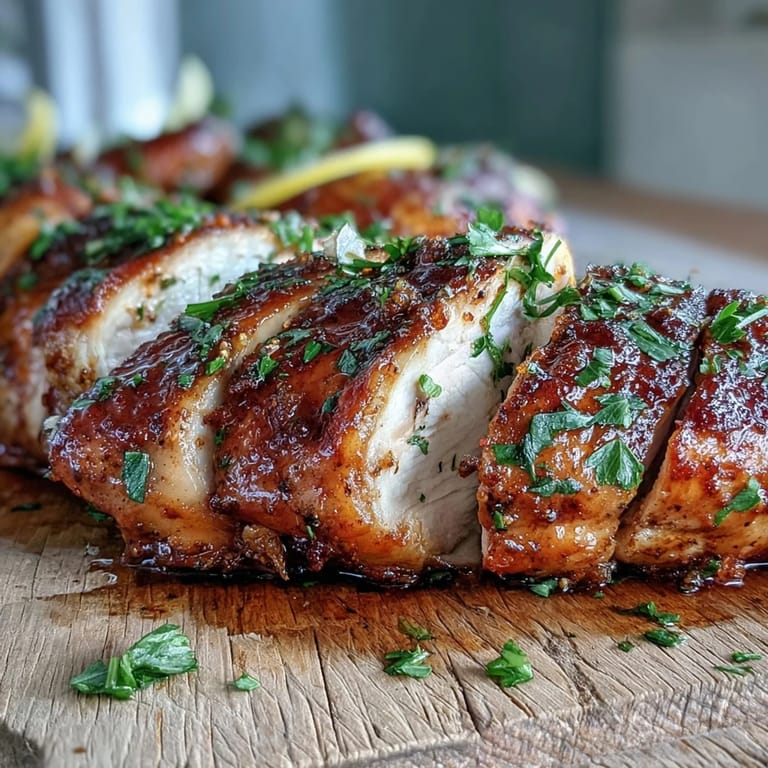
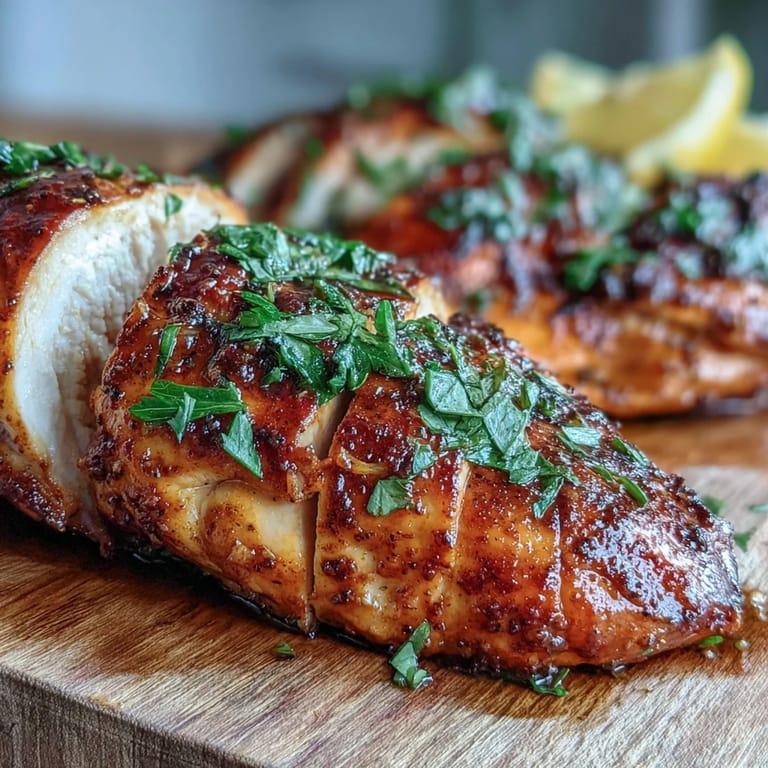
- Top with lemon slices and a sprinkle of fresh parsley or cilantro if you have them around, then serve while it's still warm. The garnish isn't necessary, but it makes the whole thing feel a little more special.
 Save
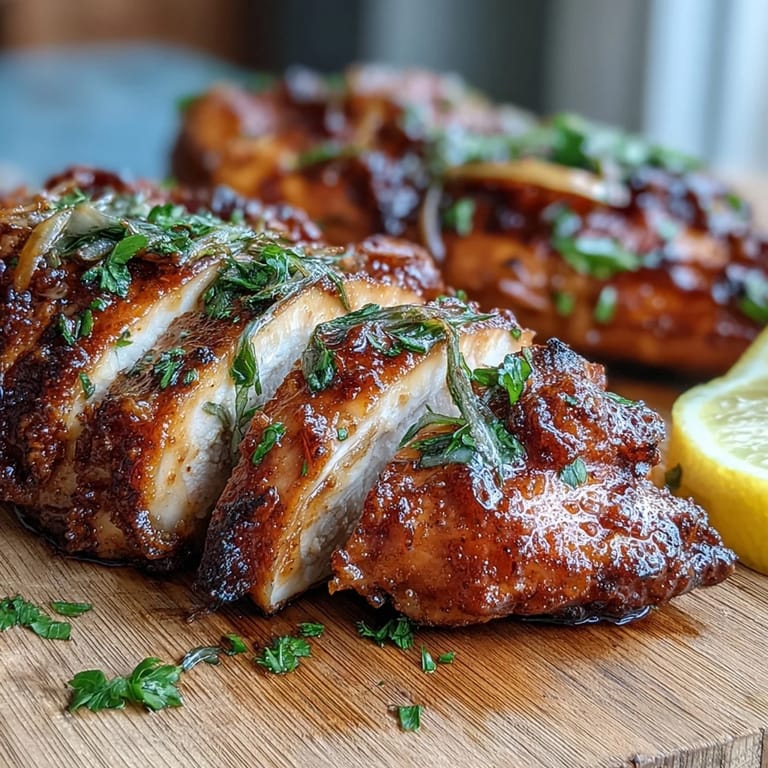
Save I brought this to a potluck once, sliced and fanned out on a platter with some lemon wedges, and three different people asked if I ordered it from a restaurant. One guy even tried to tip me. It's wild how something so simple can make you look like you know what you're doing in the kitchen, even if you're just following basic steps and trusting your tools.
Making It Your Own
The base recipe is a blank canvas, which means you can swap the seasoning blend for whatever you're craving. I've done taco spices with cumin and chili powder, lemon pepper with extra zest, even a brown sugar and mustard rub that caramelized beautifully. The method stays the same, so once you nail the technique, you can experiment without fear.
Storing and Reheating
Let the chicken cool completely before packing it into airtight containers, and it'll keep in the fridge for up to four days. I slice mine before storing so it's ready to toss into salads or sandwiches without any extra work. To reheat, use a low oven or microwave with a damp paper towel over the top so it doesn't dry out.
What to Serve Alongside
This chicken pairs well with just about anything, but my go to is roasted broccoli and a scoop of quinoa when I want to feel healthy, or mashed potatoes and green beans when I don't. On rushed nights, I'll shred the leftovers and toss them with pasta and jarred marinara, which my kids actually eat without complaining.
- Slice it cold over mixed greens with balsamic vinaigrette for an easy lunch.
- Cube it and add to grain bowls with roasted sweet potatoes and tahini dressing.
- Shred it for tacos, wraps, or quesadillas when you need dinner in under ten minutes.
 Save
Save Once you get the hang of this, you'll stop buying those expensive pre seasoned packs at the store and start wondering why you ever did. It's one of those recipes that quietly becomes part of your weekly routine without you even noticing.
Recipe FAQs
- → How do I keep chicken breasts from drying out?
Pound the chicken to even thickness before baking, which promotes uniform cooking. Use a meat thermometer to remove at exactly 165°F and always let the meat rest for 5 minutes to redistribute juices throughout the fibers.
- → What temperature should I bake chicken breasts?
Bake at 400°F for 18–22 minutes. This high heat creates a nicely seasoned exterior while cooking the interior quickly to prevent moisture loss.
- → Can I use chicken thighs instead?
Absolutely. Chicken thighs offer more natural fat and stay juicy longer. Increase baking time by 5–7 minutes and ensure the internal temperature reaches 165°F at the thickest part.
- → How long does baked chicken last in the refrigerator?
Store cooled chicken in airtight containers for up to 4 days. The seasoned meat reheats beautifully in the microwave at 50% power or gently warmed in a 350°F oven.
- → What sides pair well with baked chicken breast?
Roasted vegetables, Mediterranean salads, quinoa, rice pilaf, or steamed broccoli all complement the savory spices. The mild flavor profile allows versatility with any side dish.
- → Is it necessary to marinate the chicken first?
Not required—the dry rub creates plenty of flavor. However, the optional marinade of olive oil, lemon juice, soy sauce, and honey adds extra depth if you have 30 minutes to 2 hours available.