 Save
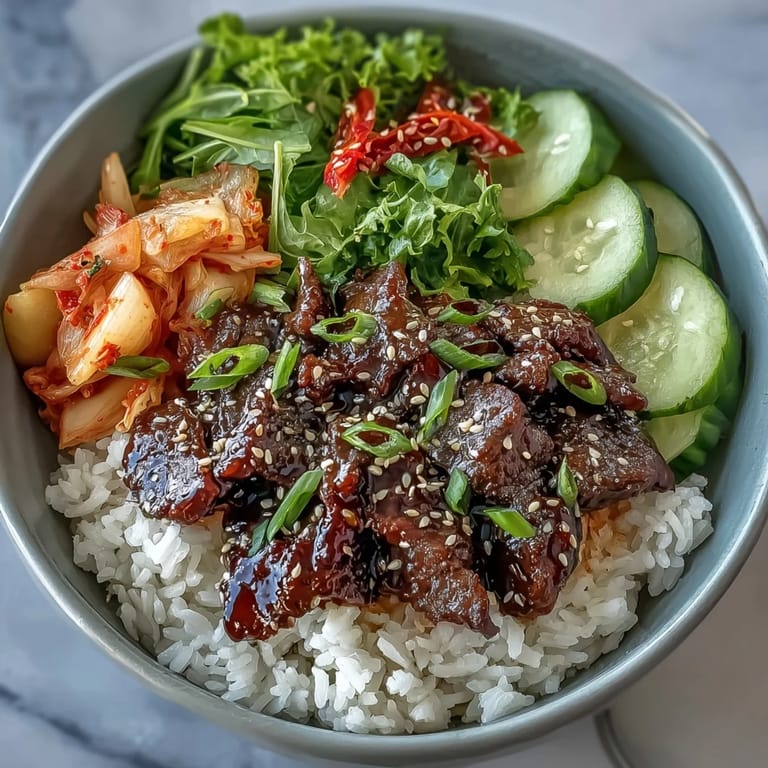
Save I discovered this bowl on a chaotic Tuesday night when my fridge was practically bare except for ground beef and a jar of gochujang I'd been meaning to use. What started as a desperate dinner solution became something I now crave regularly—the kind of dish that tastes intentional even when thrown together without much planning. The spicy beef, those tangy pickled vegetables, and the cool crunch of cucumber create this perfect balance that somehow feels both comforting and exciting. My kitchen smelled incredible within minutes, and by the time everything came together, I realized I'd stumbled onto something really special.
My partner walked in while I was assembling the first bowl and immediately grabbed a spoon before I could even set it down. That moment told me everything—no recipe explanation needed, just the honest reaction of someone who knows good food when they see it. Now it's become our Friday wind-down meal, the kind we make when we want something restaurant-quality without leaving the house.
Ingredients
- Lean ground beef (1 lb): Use the leanest you can find so the sauce clings to the meat instead of swimming in grease—it makes a real difference in the final texture.
- Vegetable oil (2 tbsp): A neutral oil lets the gochujang shine; don't skip this step even though the beef renders fat.
- Garlic (3 cloves, minced) and fresh ginger (1 tbsp): These two create the aromatic foundation—mince them fine so they distribute evenly and bloom quickly in the hot oil.
- Gochujang (3 tbsp): This Korean chili paste is non-negotiable; it's where all the flavor magic lives, bringing heat, umami, and slight sweetness.
- Soy sauce (2 tbsp): Adds saltiness and depth; if you need gluten-free, use tamari without hesitation.
- Brown sugar (1 tbsp): Balances the heat and saltiness, creating complexity rather than simple spice.
- Rice vinegar (1 tbsp): This subtle acidity brightens the sauce and prevents it from tasting one-dimensional.
- Toasted sesame oil (1 tsp): A small amount goes a long way—this is the secret whisper that makes people ask what the mystery ingredient is.
- Green onions (2): Reserve half for garnish so you get that fresh allium bite in every bite.
- Carrot and daikon radish for pickling: Julienne them thin so they actually pickle quickly instead of staying crunchy and unpickled.
- Rice vinegar (1/2 cup), sugar, and salt for pickling: This simple ratio creates brightness that cuts through the richness of the beef.
- Cooked rice (4 cups): Warm rice holds the sauce beautifully and prevents sogginess better than cold rice.
- Cucumber and radish for serving: These provide cool contrast and keep each bowl feeling fresh rather than heavy.
- Kimchi (1 cup): The fermented funk is essential—it's what transforms this from good to crave-worthy.
- Toasted sesame seeds (1 tbsp): Toast them yourself if you can; the difference between pre-toasted and fresh-toasted is honestly striking.
Tired of Takeout? 🥡
Get 10 meals you can make faster than delivery arrives. Seriously.
One email. No spam. Unsubscribe anytime.
Instructions
- Start the vegetables first:
- Whisk together rice vinegar, sugar, and salt in a small bowl until the sugar and salt fully dissolve—you'll feel the granules disappear under the spoon. Toss in your julienned carrots and daikon, then set them aside; they'll develop their tangy bite while you handle the beef, and the timing works out perfectly.
- Heat your skillet and build the base:
- Get a large skillet screaming hot over medium-high heat, then add your oil and let it shimmer. When you add the minced garlic and ginger, you'll immediately smell that toasted, fragrant note—that's your signal they're blooming and releasing flavor, not burning.
- Brown the beef thoroughly:
- Add your ground beef and resist the urge to stir it constantly; let it sit for a minute so it develops browning instead of just cooking through. Break it up with a spoon, then let it continue cooking until no pink remains and the meat looks caramelized at the edges (5–6 minutes total).
- Create the sauce:
- Lower the heat slightly and stir in gochujang, soy sauce, brown sugar, rice vinegar, and sesame oil all at once. You'll watch the sauce transform from chunky paste to glossy coating as you stir; cook it for 2–3 minutes so the flavors marry and the sauce clings to each piece of meat rather than pooling at the bottom.
- Finish with freshness:
- Stir in half your sliced green onions right at the end so they stay bright and slightly raw rather than wilting into submission.
- Build your bowls with intention:
- Divide warm rice among four bowls, then top each with a generous spoonful of beef and its sauce. Arrange your pickled vegetables, fresh cucumber, radish, and kimchi around the beef so each bite feels composed rather than jumbled together.
- Garnish and serve immediately:
- Scatter remaining green onions and sesame seeds over the top, then serve while the rice is still warm and the fresh vegetables still have their snap.
 Save
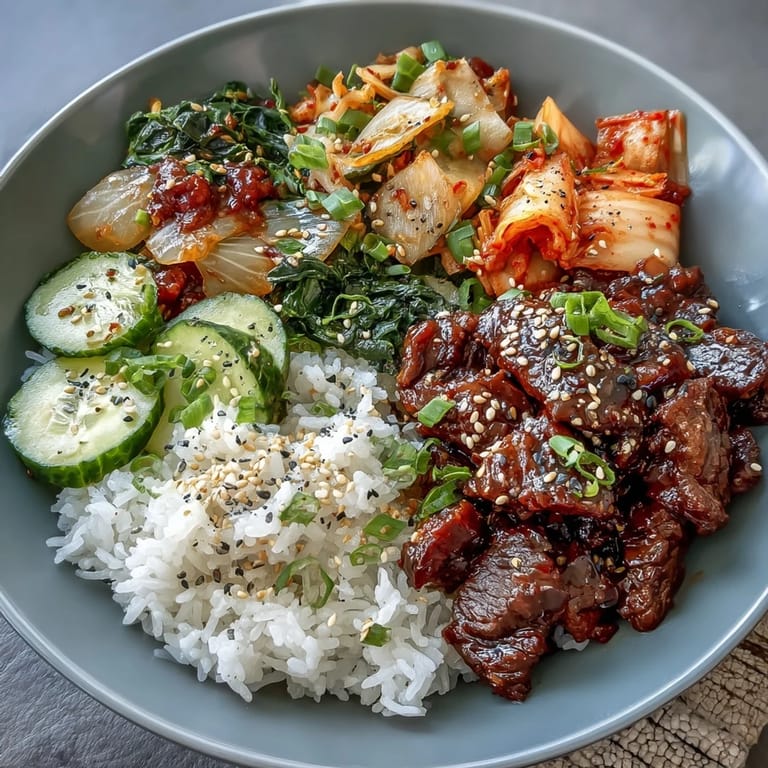
Save There's something about presenting someone with a bowl where everything is intentionally placed and clearly made with care that shifts the eating experience. The first time I served this to friends, nobody expected homemade pickled vegetables or that the beef would taste this nuanced—and watching them discover each layer was genuinely rewarding.
Why Gochujang Changes Everything
Before I understood gochujang, I thought Korean food meant either mild or painfully hot, with nothing in between. This paste taught me that fermented chili brings complexity—it's spicy but not aggressive, salty but not one-note, and it carries umami depth that makes people keep coming back for more bites. Once I grasped that concept, I started using it in unexpected places, but this bowl is still where it shines brightest.
The Art of Balancing Temperature and Texture
What makes this bowl feel restaurant-quality is the contrast—warm beef against cool cucumber, soft rice beneath crispy sesame seeds, tangy pickles against savory sauce. None of those elements work as well alone; together they create an experience that engages different parts of your mouth simultaneously. This is why I always serve everything at once rather than building components ahead; the moment you finish assembling is the moment it's at its absolute best.
Make It Your Own, Thoughtfully
I've made this bowl with chicken, turkey, and even tofu when I was in that phase, and each protein works because the sauce is strong enough to carry the dish. The real customization happens with your vegetable choices and how much heat you want—I've added sriracha, I've used gochugaru flakes, and I've even swapped in pickled green tomatoes when regular vegetables bored me. The foundation is solid enough to handle your experiments without falling apart.
- If you're heat-averse, use less gochujang and add more brown sugar to balance the spice without eliminating it entirely.
- Make a double batch of pickled vegetables and keep them refrigerated for up to a week—they're incredible on other dishes too.
- Warm your bowls before serving if you're feeding people; it sounds fancy but keeps the rice at perfect temperature longer.
 Save
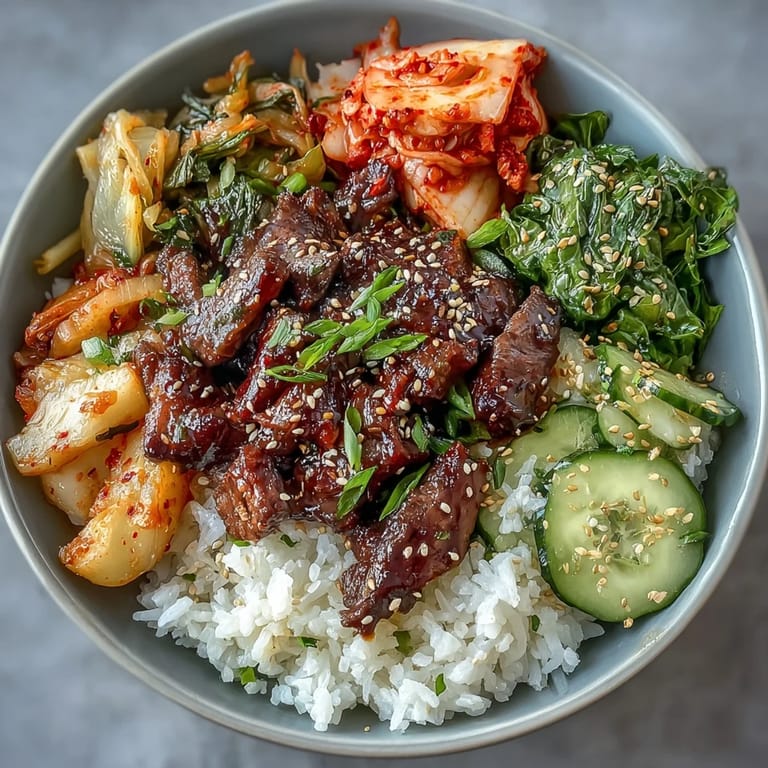
Save This bowl has become my answer to the question nobody asks but everyone feels—that yearning for food that tastes intentional, exciting, and genuinely satisfying. Make it once and you'll understand why it keeps happening in my kitchen.
Recipe FAQs
- → How do you make the pickled vegetables?
Combine rice vinegar, sugar, and salt until dissolved. Add julienned carrot and daikon radish, mixing well. Let them pickle while preparing the other ingredients for a crisp, tangy flavor.
- → Can I substitute the beef with other proteins?
Yes, ground chicken or turkey can be used as alternatives, retaining the dish's delicious flavor while accommodating dietary preferences.
- → What gives the beef its spicy flavor?
The spicy kick comes from gochujang, a Korean chili paste, combined with garlic and ginger for depth and warmth.
- → Is there a gluten-free option?
Yes, use tamari instead of soy sauce and ensure the gochujang used is gluten-free to accommodate gluten sensitivities.
- → How should this bowl be served?
Serve the seasoned beef over steamed rice, topped with pickled vegetables, fresh cucumber, radish slices, and kimchi, garnished with green onions and toasted sesame seeds.
- → What are good beverage pairings?
Pair this dish with a light, crisp lager or chilled green tea to complement the bold and spicy flavors.