 Save
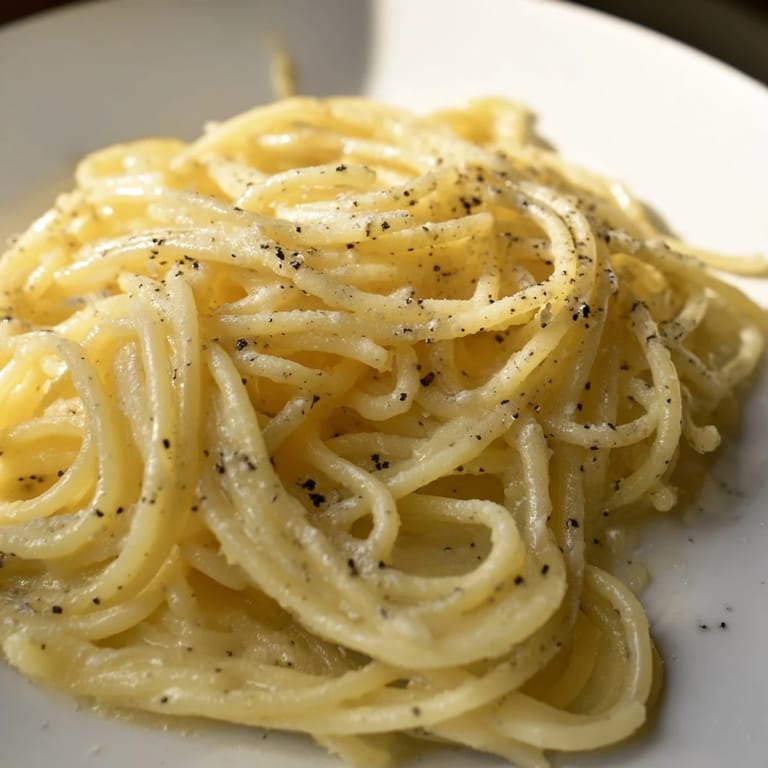
Save My hands were shaking the first time I grated Pecorino for this dish, convinced I'd ruin it. The starchy water hit the pan, the cheese went in, and for a terrifying second it looked like scrambled eggs. Then I remembered to keep moving, keep tossing, and suddenly it all came together into something silky and impossible. I stood there holding the pan, stunned that three ingredients could do that.
I made this for my sister after she came home from a long trip, too tired to speak. She sat at the counter, quiet, twirling the spaghetti slowly while I told her about my day. Halfway through the bowl she looked up and said it tasted like being home. I realized then that simplicity has its own kind of generosity.
Ingredients
- Spaghetti (400 g): The long strands grab the sauce better than short pasta, and cooking it just shy of done lets it finish in the pan where the real flavor lives.
- Pecorino Romano cheese (120 g, finely grated): This is the heart of the dish, salty and sharp, and it must be grated fresh or it won't melt right, trust me on this.
- Freshly cracked black pepper (2 tsp, plus extra): Toasting it wakes up oils you didn't know were there, turning something ordinary into the backbone of the sauce.
- Salt: For the pasta water, which becomes half the sauce, so don't be shy.
Tired of Takeout? 🥡
Get 10 meals you can make faster than delivery arrives. Seriously.
One email. No spam. Unsubscribe anytime.
Instructions
- Boil the Pasta:
- Bring a large pot of salted water to a rolling boil and cook the spaghetti until it still has a little bite, about a minute less than the package says. Scoop out a full cup of that cloudy, starchy water before you drain anything, it's liquid gold.
- Toast the Pepper:
- While the pasta cooks, warm your skillet over low heat and add the black pepper, stirring it gently until it smells like a forest after rain. This takes only a minute or two but changes everything.
- Build the Base:
- Pour about half a cup of the hot pasta water into the skillet with the toasted pepper and let it bubble quietly. This is where the sauce begins.
- Toss the Pasta:
- Slide the drained spaghetti into the skillet and toss it around until every strand is coated in that peppery water. The pasta should glisten.
- Add the Cheese:
- Turn the heat to the lowest setting and sprinkle in the Pecorino a handful at a time, tossing constantly and adding splashes of reserved water whenever it looks tight. Keep moving, keep tossing, and watch it turn creamy.
- Serve:
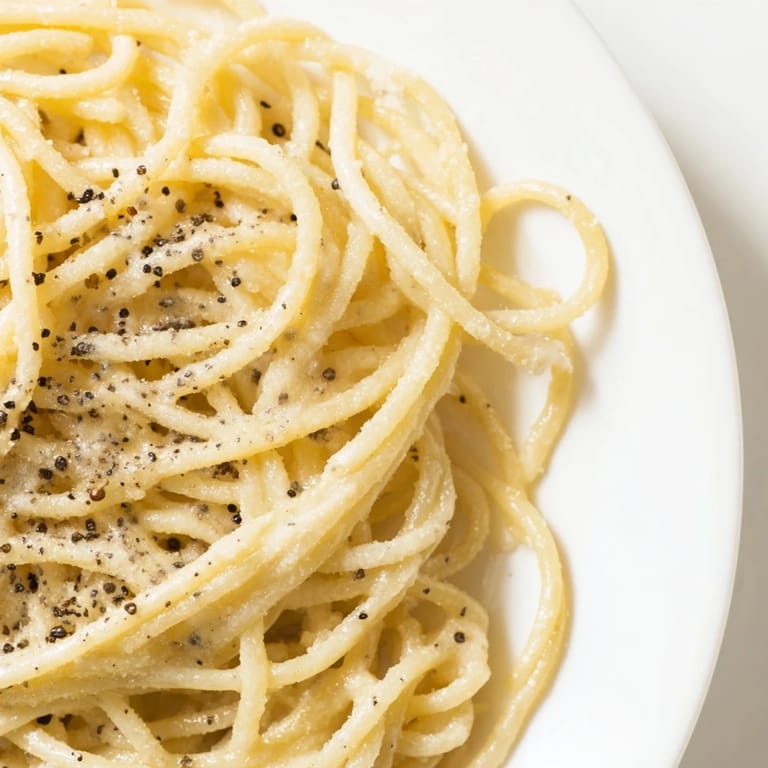
- Plate it immediately while it's still glossy, and shower it with more cheese and pepper. This dish doesn't wait for anyone.
 Save
Save There was a night last winter when the power went out and I made this by candlelight, the pan glowing in the dim kitchen. My neighbor came over because she smelled the pepper through the wall. We ate it standing up, laughing about how something so plain could feel like a celebration.
Choosing Your Cheese
Pecorino Romano is sharp and salty, with a bite that holds up to the pepper, but I've used Parmigiano Reggiano when that's all I had and it worked, just a little gentler. Some people mix the two, half and half, and honestly that's not a bad compromise. Whatever you use, grate it yourself, the pre-grated stuff is coated with starch and won't melt the same way.
Getting the Texture Right
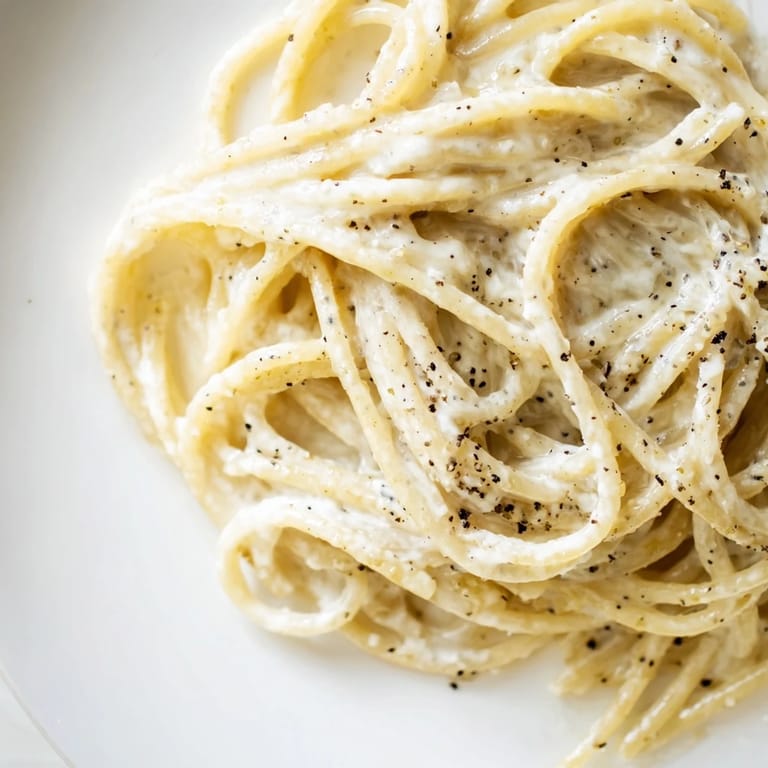
The sauce should coat the back of a spoon but still move when you tilt the pan, somewhere between soup and paste. I learned this by messing it up, once too thick and gluey, once so thin it pooled at the bottom of the bowl. The trick is adding the pasta water in small splashes, waiting to see what it does before adding more.
Serving and Pairing
This is best eaten the moment it's done, straight from the pan if you're alone, or piled into warm bowls if you're feeding people. It doesn't reheat well, the sauce breaks and turns grainy, so make only what you'll eat. I like it with a crisp white wine, something cold and bright to cut through the richness, and maybe a simple green salad after if you want to feel virtuous.
- Use tongs to serve so you can twirl the pasta into neat nests on each plate.
- A final drizzle of good olive oil on top adds a whisper of fruitiness.
- Don't skip the extra pepper at the table, some people love it fiery.
 Save
Save This dish taught me that you don't need a long ingredient list to make something worth remembering. Sometimes the best meals are the ones that ask you to pay attention, to move your hands, to trust that less can be more.
Recipe FAQs
- → Why is pasta water essential in this dish?
Pasta water contains starch that helps emulsify the cheese and pepper into a creamy sauce. This starch is crucial for achieving the silky texture without using cream, which isn't traditional in authentic Cacio e Pepe.
- → How do I prevent the cheese from clumping?
Work quickly and vigorously while adding the cheese gradually. Ensure the pasta and water are still hot, and keep stirring constantly. Adding cheese slowly while tossing allows the starch to distribute evenly and create a smooth sauce.
- → Can I use pre-grated cheese?
For best results, always use freshly grated Pecorino Romano. Pre-grated cheese contains anti-caking agents that prevent proper melting and emulsification, resulting in a grainy texture rather than a creamy sauce.
- → What can I substitute for Pecorino Romano?
Parmigiano Reggiano is the best alternative, though it produces a milder, slightly nutty flavor. Grana Padano is another option. Avoid softer cheeses or pre-packaged alternatives as they won't achieve the proper consistency.
- → How important is freshly cracked black pepper?
Freshly cracked black pepper is essential to the dish's character. Pre-ground pepper has lost much of its volatile oils and aroma during storage. The toasting step amplifies the pepper's complexity, creating the foundation of the sauce's flavor.
- → What wine pairs well with this dish?
Crisp white wines like Vermentino, Pinot Grigio, or other light Italian whites complement the rich, peppery flavors beautifully. The acidity cuts through the creamy sauce and cleanses the palate between bites.